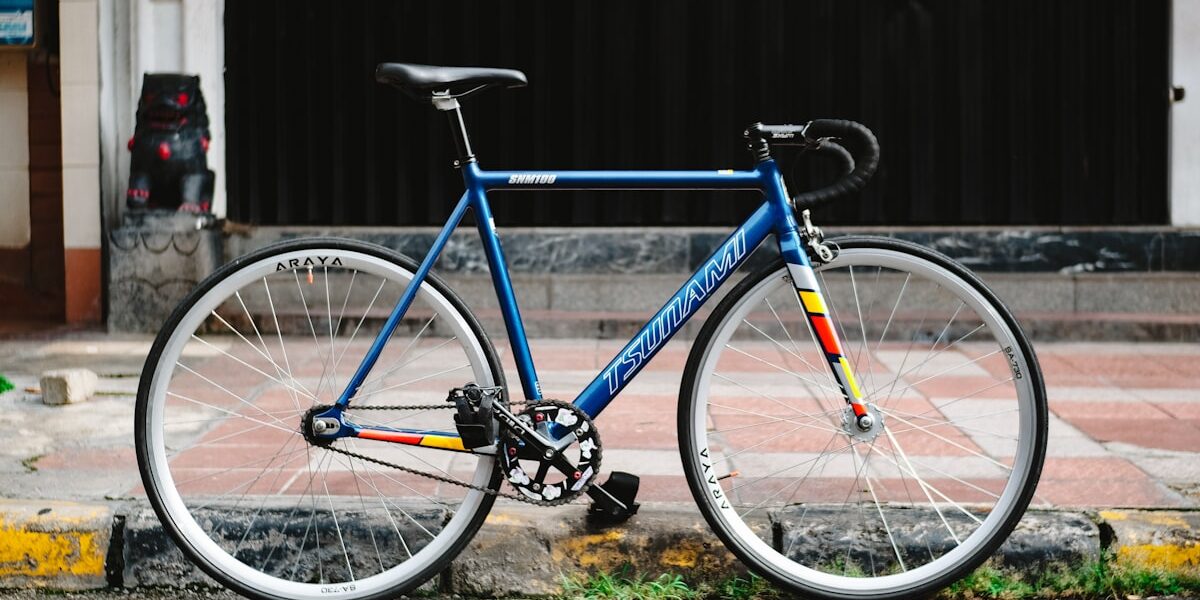
Best Cycling Gear: A Practical Guide
Cycling gear has gotten complicated with all the “best” lists and affiliate-driven recommendations flying around. As someone who’s been riding and buying gear for years—wasting money on hyped products and finding hidden gems—I learned everything there is to know about what actually makes cycling better. Today, I will share it all with you.
The Bike Itself
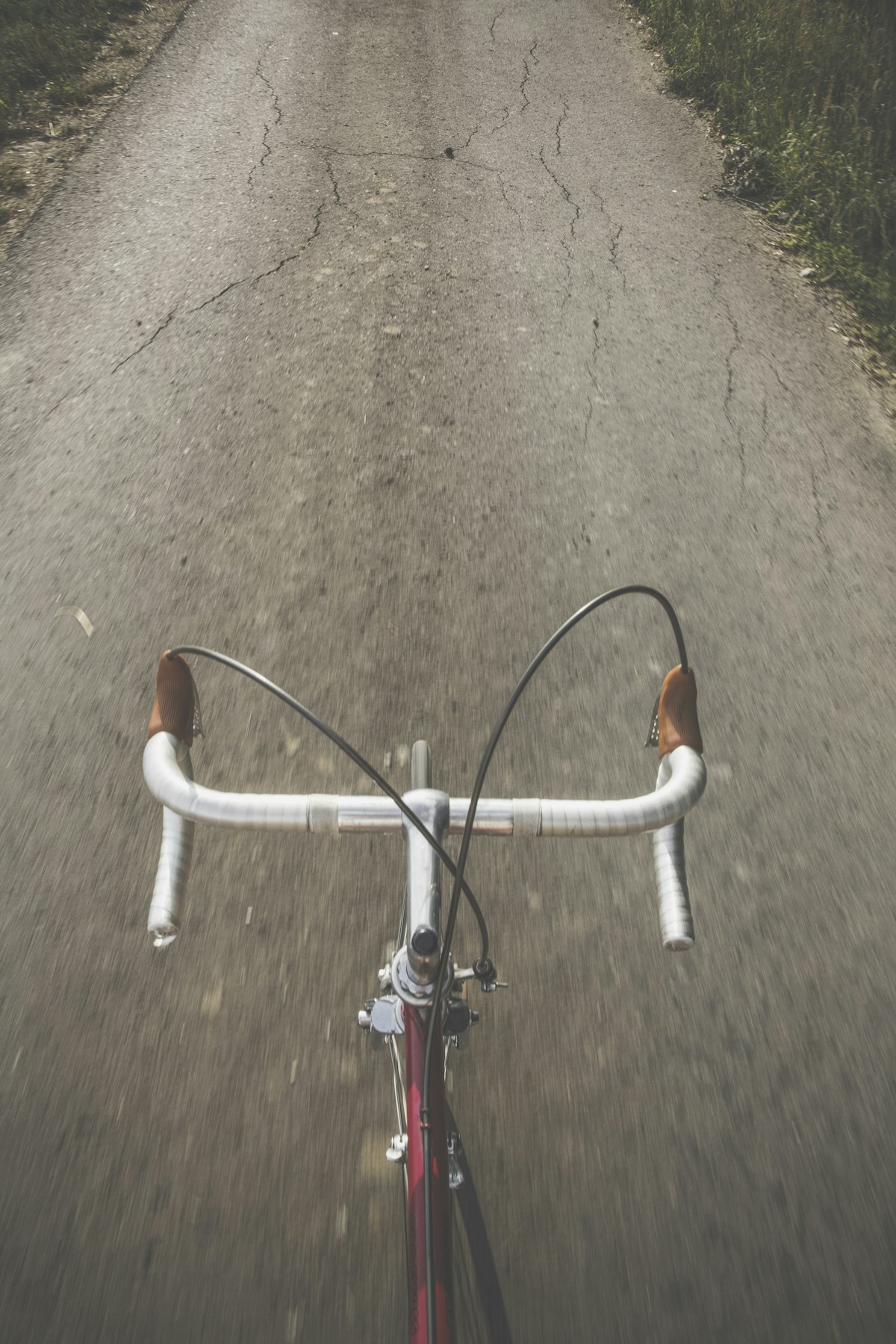
Probably should have led with this section, honestly. The best gear in the world won’t fix a bike that doesn’t fit or suit your riding. Before buying accessories, make sure your bike is the right size and properly adjusted.
Saddle height, reach to handlebars, and overall fit matter more than component quality. A properly fitted $500 bike rides better than a poorly fitted $2000 bike. If you haven’t had a basic fit done, that’s your first investment.
Safety Essentials
That’s what makes safety gear endearing to us regular riders—it’s not exciting, but it lets you keep riding.
- Helmet: Non-negotiable. Fit matters more than price. Replace after crashes.
- Lights: Front white, rear red. USB rechargeable. Use them anytime visibility is questionable.
- Bright clothing: Fluorescent for daytime, reflective for low light. Drivers need to see you.
Comfort Gear
- Padded shorts: The chamois makes long rides bearable. Don’t wear underwear with them—defeats the purpose.
- Cycling jersey: Moisture-wicking, rear pockets, proper cut for riding position. A good $50 jersey works fine.
- Gloves: Grip, vibration dampening, palm protection if you crash.
Repair Essentials
- Spare tube or patch kit: Flats happen. Being stranded is miserable.
- Mini pump or CO2 inflator: Useless without a way to inflate that spare tube.
- Multi-tool: Basic hex wrenches handle most trailside adjustments.
- Tire levers: Some tires come off easily, some don’t. Levers make it consistent.
Hydration
A water bottle cage on your frame is the simplest approach. Insulated bottles for hot weather. For longer rides, consider a second bottle cage or a hydration pack if your frame only fits one bottle.
Drink before you’re thirsty. Dehydration tanks performance before you notice symptoms.
What You Can Skip
Power meters, cycling computers, aero helmets, matching kits, carbon everything—these have their place, but they’re optimizations for people who’ve already dialed in the basics. Get comfortable, safe, and self-sufficient first. Add performance gear once you know what specific improvements you’re chasing.
The best gear is the gear you’ll actually use. A simple setup you ride consistently beats a complicated setup gathering dust because it’s too much hassle.


Leave a Reply