Trail Bikes: Finding the Right One for How You Actually Ride
Trail bikes have gotten complicated with all the geometry numbers, suspension tech, and marketing claims flying around. As someone who’s owned three different trail bikes over the past decade and test-ridden many more, I learned everything there is to know about what makes these bikes tick. Today, I will share it all with you.
What Defines a Trail Bike
Trail bikes sit in the middle of the mountain bike spectrum. They’re not XC race machines and they’re not full-on downhill sleds. Typically 120-150mm of suspension travel, geometry that climbs reasonably and descends confidently. The goal is doing everything adequately rather than one thing perfectly.
This makes them the right choice for most mountain bikers who ride varied terrain. If your local trails mix climbing with technical descents, a trail bike is probably what you need.
Features That Actually Matter
Probably should have led with this section, honestly. When shopping for a trail bike, focus on:
- Frame material: Aluminum costs less, takes abuse, weighs more. Carbon costs more, rides smoother, cracks if you crash hard. Both work. Budget accordingly.
- Suspension quality: Fox and RockShox dominate for a reason. Budget builds often use lesser forks that don’t perform as well over time. The fork matters more than almost anything else.
- Wheel size: 29ers roll over rocks better and carry momentum. 27.5-inch wheels are more nimble and playful. Neither is wrong. 29 has become the default.
- Drivetrain: 1x systems are standard now. SRAM Eagle or Shimano XT/SLX both work well. Wide range cassettes handle everything.
- Brakes: Hydraulic discs only. Four-piston calipers if you ride steep terrain. Shimano feels different from SRAM — try both.
- Dropper post: Non-negotiable on a trail bike. If the bike doesn’t come with one, budget for adding one immediately.
Bikes Worth Considering
Santa Cruz Hightower
The quintessential trail bike. 140mm rear, 29-inch wheels, VPP suspension that climbs efficiently and descends with confidence. Not cheap, but it does everything well. SRAM Eagle drivetrain comes standard.
Trek Fuel EX
Available in aluminum or carbon at various price points. The RE:aktiv shock technology adjusts to terrain automatically. Mino Link lets you tweak geometry. A solid choice that’s easier to find in shops than boutique brands.
Specialized Stumpjumper
That’s what makes the Stumpjumper endearing to us trail riders — it’s been refined over decades. Current version runs 150mm front, 140mm rear. FSR suspension works. SWAT storage in the downtube holds tools. Playful yet stable.
Yeti SB130
Aggressive trail bike with the Switch Infinity suspension that does something different in compression vs extension. 130mm of well-tuned travel. 29-inch wheels. Expensive but beloved by people who ride hard.
Giant Trance Advanced Pro
Carbon frame, 135mm Maestro suspension, 27.5 wheels for those who want nimble handling. Giant’s OE components keep the price reasonable for the build quality. Good value in the trail category.
Matching the Bike to Your Riding
The “best” trail bike depends entirely on your local terrain and riding style. If you climb a lot and descend moderately technical trails, shorter travel and steeper geometry works. If your trails are rocky and steep, longer travel and slacker geometry pays off.
Demo rides matter more than spec sheets. How a bike feels underneath you trumps everything you can read about geometry numbers. Most bike shops offer demos. Use them.
Keeping It Running
Trail bikes work hard. Maintenance keeps them reliable:
- Post-ride cleaning: Mud kills components. Rinse the bike, dry it, move on.
- Chain care: Clean and lube regularly. Dirty chains wear expensive cassettes and chainrings.
- Suspension service: Follow manufacturer intervals. Most shocks need service yearly. Most riders ignore this until something fails.
- Bolt checks: Vibration loosens things. Check cockpit bolts, suspension pivots, and axles periodically.
- Brake pad inspection: Worn pads damage rotors. Check monthly. Replace when thin.
Essential Accessories
- Helmet: Full-face for aggressive riding, half-shell for everything else. Replace after any crash.
- Pads: Knee pads at minimum. Add elbows if you crash regularly.
- Hydration: Pack or bottle depending on ride length. Dehydration destroys performance.
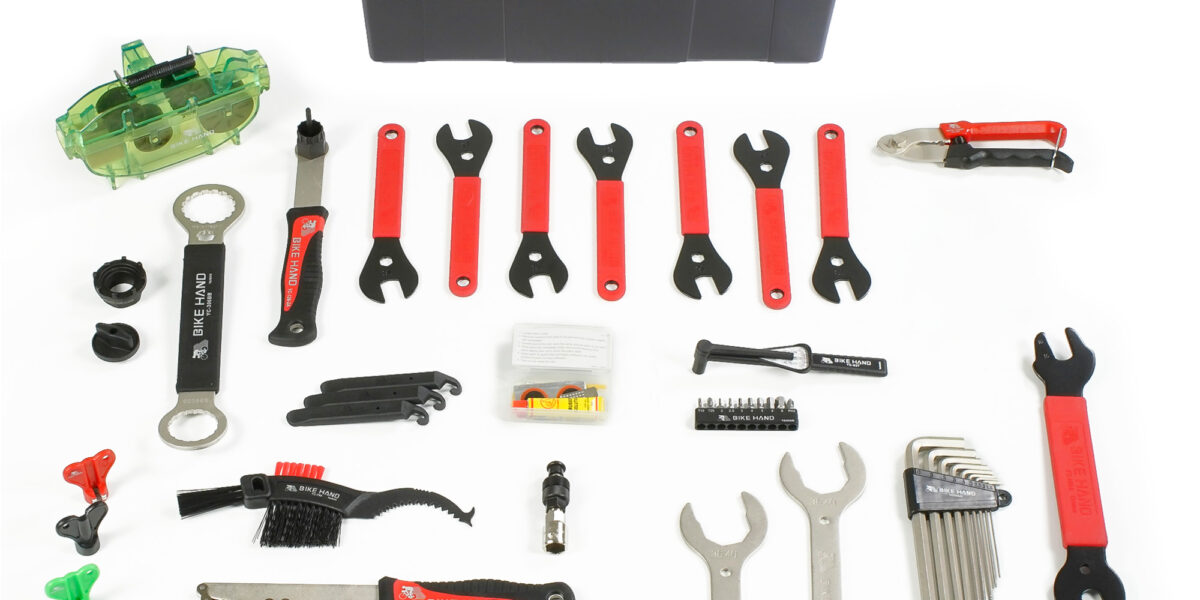
- Multi-tool: The one thing you’ll definitely need when you don’t have it.
- Pump and tube: Tubeless still flats sometimes. Carry backup.
Getting Better
The bike only goes where you point it. These skills make everything more fun:
- Cornering: Look where you want to go, not at the obstacle. Lean the bike, not your body. Enter corners slower than you think necessary until you calibrate.
- Braking: Front brake does most of the work. Rear prevents the back from swinging around. Practice braking hard in safe places.
- Climbing: Smooth pedal strokes. Weight forward enough to keep the front down but back enough for traction. Momentum is your friend.
- Descending: Low and loose. Heels dropped. Arms and legs absorbing impacts. Look ahead, not at your wheel.
Finding Your People
Mountain biking is better with others. Local clubs organize group rides at various skill levels. Trail work days need volunteers. Races (even casual ones) push you to improve. The community is part of what makes the sport worth pursuing.
Respecting the Resource
Trails exist because people build and maintain them. Stay on designated routes. Don’t ride when it’s too wet. Show up at work days occasionally. The access we have isn’t guaranteed — taking care of trails protects it.