Best Road Bike Tires
Road bike tire selection has gotten complicated with all the options, technologies, and competing claims flying around. As someone who has been through multiple sets across different conditions and learned the hard way what actually matters, I’ve learned everything there is to know about choosing the right road bike tires. Today, I will share it all with you.
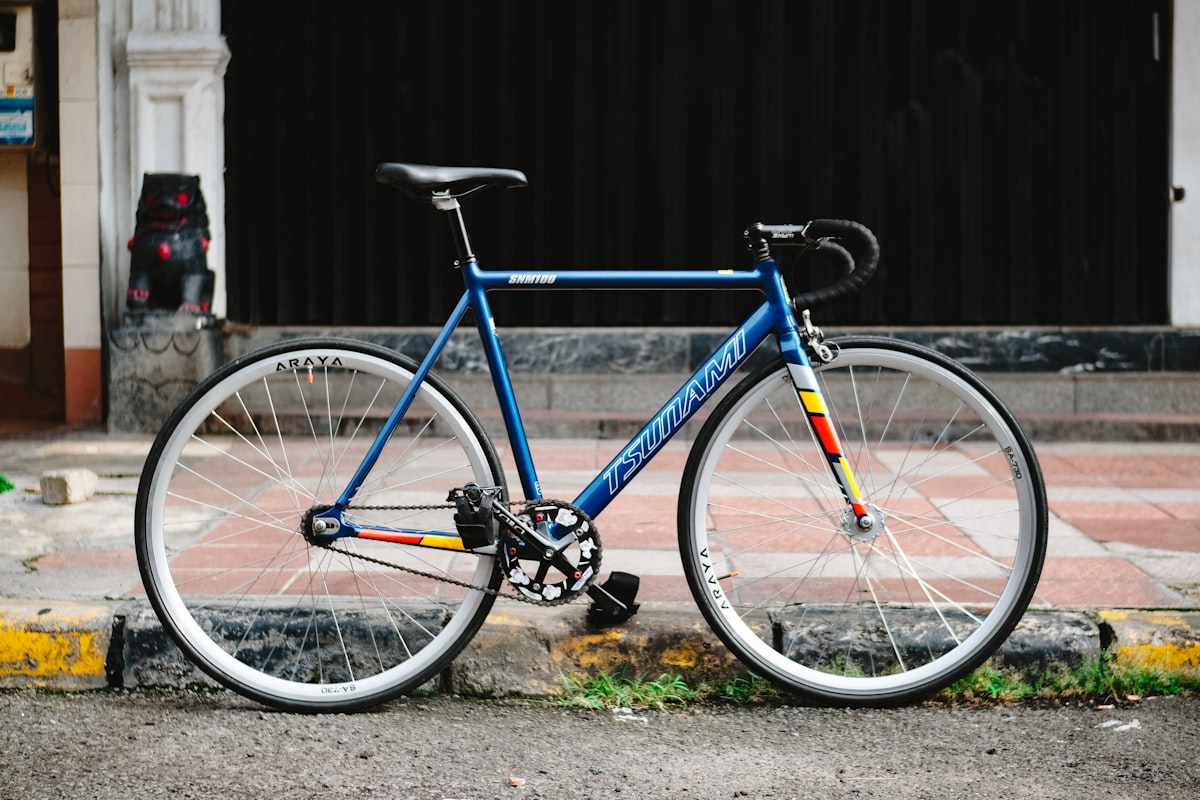
That’s what makes tire selection endearing to us road cyclists — the right set genuinely transforms how a bike feels and performs, often more than components costing many times more.
Types of Road Bike Tires
Three main systems exist: clincher, tubular, and tubeless. Which one is right depends on your riding style, budget, and how much you want to deal with flat repairs.
Clincher Tires
Clinchers are the overwhelming majority of what you’ll find. A wire or Kevlar bead hooks onto the wheel rim and holds a standard inner tube. When you flat, you replace the tube — a job most riders can handle on the road in under ten minutes.
- Widely available at every price point
- Simple roadside repairs
- Huge variety of options
Tubular Tires
Tubulars are glued to specialized rims. Professional racers still use them for their lower weight and smooth ride feel. Repairing a tubular flat on the road is not practical — you carry a spare pre-glued tire and swap the whole tire. The performance is real, but the commitment required makes them a poor choice for most non-racers.
- Lightweight with a distinctly smooth ride
- Used mainly in competitive racing
- Challenging to deal with flats away from support
Tubeless Tires
Tubeless tires seal against the rim using a liquid sealant that flows to punctures and plugs them automatically. Running lower pressures without pinch flat risk is a genuine advantage, and rolling resistance improvements are measurable. Probably should have led with this recommendation for most serious recreational riders, honestly — the ride quality improvement is immediately noticeable.
- Reduced flat frequency from sealant
- Smoother ride from lower pressure running
- Lower rolling resistance in controlled tests
Important Features and Considerations
Tire Width
The 25mm width has become the default for most road riding. Wider tires run at lower pressures while maintaining speed, reducing road vibration without significant rolling resistance penalties. The 23mm tire used to be standard but has largely been replaced by riders who tried wider options and didn’t go back.
- 23mm: Fast and light for smooth, well-maintained roads
- 25mm: Best balance of speed and comfort for most riding
- 28mm: Noticeably more comfortable, better for rougher roads
Tread Pattern
Road tires run slick or near-slick. Unlike car tires, tread doesn’t help on wet pavement at bicycle speeds — the rubber compound determines wet grip, not the pattern. Slick is faster on clean tarmac.
Puncture Resistance
Anti-puncture belts add weight but reduce flat frequency dramatically, which matters most for commuters and long-distance riders. The trade-off in weight and rolling resistance is worth it for everyday riding; pure performance riders on closed courses can skip the protection.
Weight
Lighter tires accelerate faster and climb easier. The trade-off is usually durability and puncture resistance. Most riders benefit from training-oriented tires day-to-day with an optional lightweight set for events.
Top Road Bike Tire Recommendations
Continental Grand Prix 5000
The GP5000 has been the benchmark for road tire performance for years. It offers a genuine balance of speed, comfort, and durability that most competitors try to match. Available in clincher and tubeless versions with impressive puncture protection for its weight class.
- Consistently fast in rolling resistance testing
- Strong puncture resistance for performance category
- Available in multiple widths
Michelin Power Road
Lightweight construction with a high-performance rubber compound that grips well on both dry and wet roads. Competitive rolling resistance without sacrificing too much durability.
- Lightweight construction
- Good wet grip from quality compound
- Competitive rolling resistance figures
Schwalbe Pro One Tubeless
The best argument for converting to tubeless if you haven’t yet. Low rolling resistance, reliable flat protection from the sealant system, and a smooth ride character that makes long days feel easier.
- Excellent rolling resistance for tubeless category
- Sealant handles most small punctures automatically
- Good wet and dry grip
Vittoria Corsa G2.0
The Corsa G2.0 uses Graphene 2.0 technology that improves grip, reduces rolling resistance, and extends tire life. It performs at a high level in real-world conditions and is a popular choice among riders who want race-quality tires for regular use.
- Excellent handling and road feel
- Graphene compound for improved performance
- Strong reputation in competitive cycling
Pirelli P Zero Velo
Pirelli’s road tire entry brings motorsport heritage to cycling. The compound and tread design provide reliable grip, construction is lightweight, and puncture protection is reasonable for the weight class.
- Fast and consistent across conditions
- Effective grip from compound and tread design
- Lightweight without sacrificing durability
Maintaining Your Road Bike Tires
Checking Tire Pressure
Check pressure before every ride. Tires lose air gradually even without punctures. Overinflated tires feel harsh and provide less grip. Underinflated tires are slower and more prone to pinch flats. A floor pump with a gauge makes this a 30-second habit.
Inspecting for Wear and Damage
Look for cuts in the casing, embedded glass or wire, and wear patterns in the center of the tread. A center strip worn flat means the tire needs replacement. Cuts that reach the inner casing can cause sudden failures and should be addressed before the next ride.
Cleaning Your Tires
A quick wipe after dirty rides removes debris before it can work into the casing. Use mild soap for stuck-on grime. Cleaning also gives you a regular opportunity to inspect the tire closely for damage you might otherwise miss.