Cycling Clothing That Actually Matters
Bike wear has gotten complicated with all the technical fabrics, aero claims, and premium price tags flying around. As someone who’s ridden through summers and winters for over a decade, I learned everything there is to know about what cycling clothes actually make a difference versus what’s just marketing. Today, I will share it all with you.
The Helmet: Your One Non-Negotiable
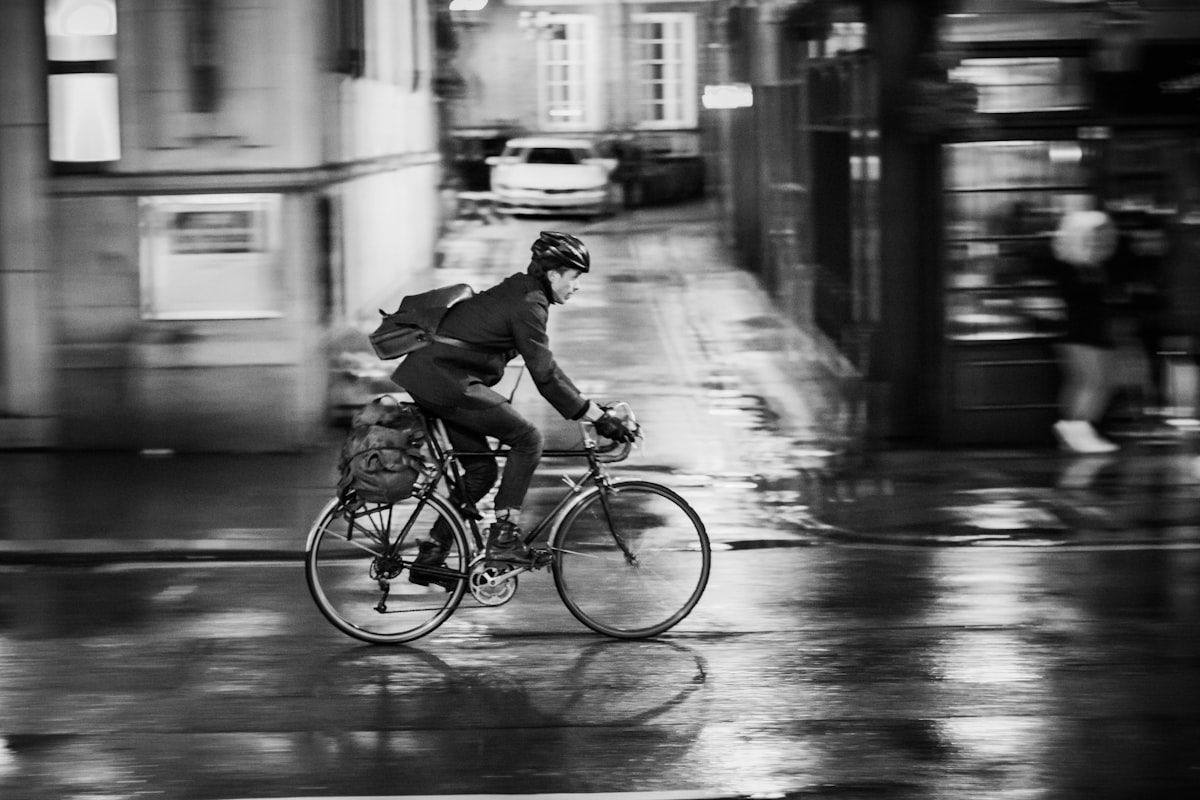
Probably should have led with this section, honestly. Everything else on this list is about comfort. A helmet is about not cracking your skull open. The fit matters more than the price—a $60 helmet that fits properly protects you just as well as a $250 carbon model.
Check that it sits level on your head, not tilted back. The straps should form a Y under each ear. You should be able to fit one finger between the chin strap and your chin, no more. If it moves when you shake your head, it’s too loose.
Gloves: Underrated Protection
Cycling gloves aren’t just about grip—though that matters when your hands get sweaty. They protect your palms when you inevitably put a hand down catching yourself from a fall. Scraping pavement hurts a lot more than scraping padded glove material.
Half-finger gloves work for most conditions. Full-finger for cold weather or mountain biking where you’re more likely to brush against things. Don’t overthink it—any decent cycling glove beats no glove.
Padded Shorts: They Look Weird, They Work
That’s what makes cycling shorts endearing to us regular riders—they solve a real comfort problem even if they look ridiculous off the bike.
The padding (called a chamois) reduces friction and pressure where you contact the saddle. Without it, longer rides mean saddle sores, chafing, and general misery. The tight fit prevents bunching that would create new pressure points.
You don’t need to spend $150 on shorts. A $40-60 pair from Pearl Izumi or similar brands has enough padding for most riding. Bib shorts (the ones with suspenders) stay in place better but cost more. Start with regular shorts and upgrade if you find yourself pulling them up constantly.
Visibility Gear: Bright Enough to Annoy People
A high-visibility jacket or vest isn’t about looking cool—it’s about making sure drivers see you before they get close. Fluorescent yellow or orange during the day, reflective elements for low light.
If you ride at dawn, dusk, or after dark at all, reflective gear is essential. Even if you think the route is safe, distracted drivers are everywhere. Make it easy for them to notice you.
Hydration Setup
A water bottle cage on your bike frame is the simplest way to carry water. Staying hydrated during rides longer than 30 minutes matters more than most people realize—dehydration sneaks up on you and tanks performance before you notice you’re thirsty.
Get an insulated bottle for hot weather. Warm water is disgusting and you’ll drink less of it. Any standard cycling cage works; don’t spend more than $15 unless you specifically need a side-loading design for small frames.
What You Can Skip
Aero jerseys, matching kits, expensive base layers, arm coolers—most of this stuff exists to separate enthusiasts from money. A basic moisture-wicking jersey in a visible color handles 90% of riding conditions. Save the specialized gear for after you’ve logged enough miles to know what specific problems you’re solving.
Comfort and visibility matter. Looking like a pro cyclist matters only to your ego.