How to Ride a Bike
Learning to ride a bike has gotten overcomplicated with all the advice floating around. As someone who learned as an adult after a childhood without a bike and has since helped several others through the same process, I’ve learned everything there is to know about getting comfortable on two wheels. Today, I will share it all with you.
That’s what makes learning to ride endearing to us cycling types — once the balance clicks, everything else follows surprisingly quickly.
Choosing the Right Bike
Probably should have led with the fit question, honestly. When you sit on the saddle, your feet need to reach the ground — not on tiptoes, but flat enough to feel stable. This one factor matters more than anything else when you’re learning. A bike that’s too tall creates anxiety every time you come to a stop. Start comfortable, not aspirational.
Checking the Fit
- Sit on the bike saddle.
- Your feet should rest flat or nearly flat on the ground.
- Handlebars should be easy to reach without stretching.
- The frame should not force you into an awkward position.
Helmet and Safety Gear
Wear a helmet. Full stop. Make sure it fits snugly, sits level on your forehead, and the strap is secure without being tight enough to be uncomfortable. Knee and elbow pads are worth it for beginners — they take the psychological sting out of a minor tumble so you stay relaxed and keep practicing.
Finding the Right Location
A flat, open area with no traffic is ideal for the first few sessions. Empty parking lots, quiet residential streets, or a flat section of park work well. Avoid slopes entirely when you’re starting — the goal is to remove variables until balance becomes automatic.
Basic Riding Techniques
Mounting the Bike
Stand beside the bike, hold the handlebars, and swing one leg over the saddle while keeping the bike steady beneath you. Sit down, feet on the ground. Practice mounting and dismounting a dozen times before you try to ride — making it automatic means one less thing to think about when you’re focused on balance.
Balancing
Balance is the entire skill, and it develops faster than most people expect. Start by walking the bike while sitting on the saddle, feet shuffling along the ground. Then push off and glide with both feet up for a few seconds. The first time you hold a glide for three or four seconds is the moment it starts to click.
Pedaling
Once gliding feels comfortable, add pedaling. Put one pedal at the 2 o’clock position — this gives you a strong push-down stroke to get moving. Push down, bring the other foot to the pedal, and start cycling. Look straight ahead at where you’re going, not down at your feet. That one adjustment makes balance noticeably easier.
Steering and Braking
Steering is subtler than it looks. Gentle pressure on the handlebars in the direction you want to go is all it takes at low speed. Avoid sharp inputs until you’re comfortable with the basic feel. Practice riding in a straight line for a while before working on turns.
Using the Brakes
- Find the brake levers on the handlebars before you start moving.
- Apply pressure gradually — squeezing smoothly rather than grabbing.
- Use both brakes together to avoid the front wheel locking.
- Practice stopping in a controlled way from slow speeds first.
Advanced Tips
Gear Shifting
Once you’ve got the basics, gears become your next focus. Lower gears make pedaling easier on hills. Higher gears let you move faster on flat ground with the same effort. Shift while pedaling rather than stopping — you’ll feel the transition and develop an intuitive sense of which gear fits which terrain.
Riding in Traffic
Start on quiet roads and work up gradually. Follow traffic rules, ride in available bike lanes, and signal your intentions to other road users. Bright clothing and reflective gear help drivers see you. The transition from empty parking lot to light traffic is a big psychological step but a small practical one once your basic skills are solid.
Building Confidence
Consistent practice matters more than long practice sessions. Twenty minutes a day beats a two-hour weekend session for building the muscle memory that makes riding automatic. Ride with friends when possible — the social element makes it easier to push past the awkward phase. Everyone learns at a different pace, and that’s completely normal.
Maintaining Your Bike
Regular Checks
- Check tire pressure before each ride — soft tires make steering sluggish.
- Squeeze the brake levers to confirm they engage firmly.
- Lubricate the chain when it sounds dry or looks rusty.
- Inspect for loose bolts at the handlebars and seat post periodically.
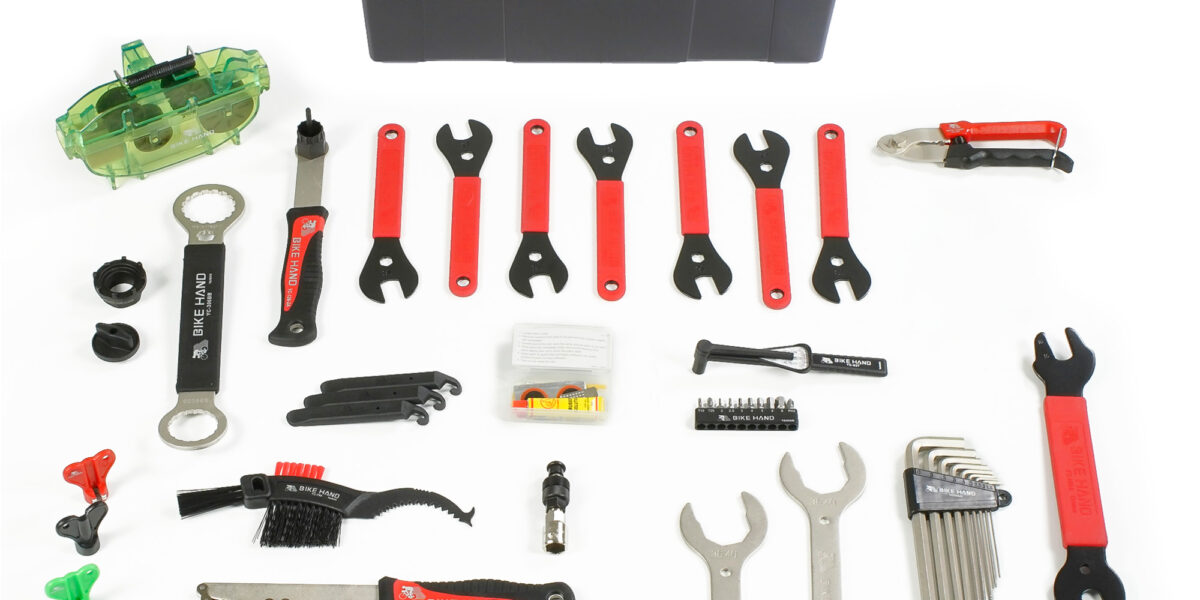
A well-maintained bike is noticeably easier and safer to ride. Five minutes of basic checks before a ride is a habit worth developing from the start.