Learning How to Ride a Bike
Teaching someone to ride a bike has gotten complicated with all the methods flying around — balance bikes, training wheels, holding the seat, various YouTube techniques. As someone who taught three kids and multiple adults to ride over the years, I learned everything there is to know about what actually works. Today, I will share it all with you.
That’s what makes learning to ride endearing to us — once you get it, you never forget. The struggle is temporary; the skill is permanent.
Choosing the Right Bike
Probably should have led with this section, honestly. The bike matters more than the teaching method.
The rider should be able to put both feet flat on the ground while seated on the saddle. This feels low compared to proper riding position, but learning requires that confidence. You can raise the seat later.
Smaller bikes are easier to learn on. If between sizes, go smaller. A bike that’s slightly too small is far better than one that’s too big.
Essential Safety Gear
Non-negotiable items:
- Helmet: Every single time. No exceptions. Make this habit now.
- Closed-toe shoes: Sandals slip off pedals. Real shoes stay put.
- Knee and elbow pads: Optional but smart for nervous learners. Falls happen.
The Best Place to Practice
Find grass or smooth dirt first, not pavement. Falls hurt less on soft surfaces. Once balance clicks, move to pavement for smoother rolling.
Empty parking lots on weekends work great. Parks with paved paths. Anywhere flat, open, and free of traffic.
The Method That Actually Works
Skip training wheels. They teach pedaling but not balance, and balance is the hard part.
Remove the pedals entirely (or fold them up if possible). Lower the seat so feet are completely flat on the ground. The bike becomes a balance bike.
Have the learner walk while seated, scooting along with feet pushing on the ground. Then walking faster. Then gliding with feet lifted between pushes. This builds balance before adding pedaling complexity.
Once they can glide ten or more feet without putting feet down, reinstall the pedals.
Adding Pedals Back
With pedals installed and seat still low, start one foot on a pedal at the 2 o’clock position. Push down on that pedal while lifting onto the seat. This generates forward momentum for balancing.
The first few attempts are wobbly. That’s normal. Focus on looking ahead, not down at the pedals.
Steering and Turning
Straight lines come first. Once those feel stable, practice gentle curves. No sharp turns until basic riding feels automatic.
Lean slightly into turns. This feels counterintuitive but becomes natural quickly. The bike wants to turn when you lean.
Braking Properly
Learn braking before you need it urgently. Practice squeezing both brake levers gently while moving slowly. Gradual pressure, not sudden grabbing.
Front brake provides most stopping power but can cause forward pitching if grabbed hard. Back brake is gentler but less effective. Use both together.
Practice stops until they feel automatic. Then practice stopping while putting one foot down smoothly.
Common Mistakes
Looking down instead of ahead. Your body follows your eyes. Look where you want to go.
Death grip on handlebars. Relaxed arms handle bumps better. Tight arms transmit every wobble.
Starting in too high a gear. If the bike has gears, pick an easy one for learning.
Building Confidence
Short sessions work better than marathon practice. Twenty minutes of focused practice beats two hours of frustrated attempts.
Celebrate small wins. Gliding three feet is progress. Five feet is better. Each session should feel slightly easier than the last.
Some people get it in an hour. Others take several days of practice. Both are normal.
Graduating to Real Riding
Once basic riding is solid, raise the seat to proper height. Now knees should be slightly bent at the bottom of the pedal stroke, not locked straight.
Practice starting, stopping, and turning until they feel automatic. Then try gentle hills. Then traffic-free streets with real pavement markings.
Basic Maintenance
Keep tires inflated — soft tires make riding harder. Check before each ride.
Test brakes work before heading out. Squeeze the levers and make sure pads grab.
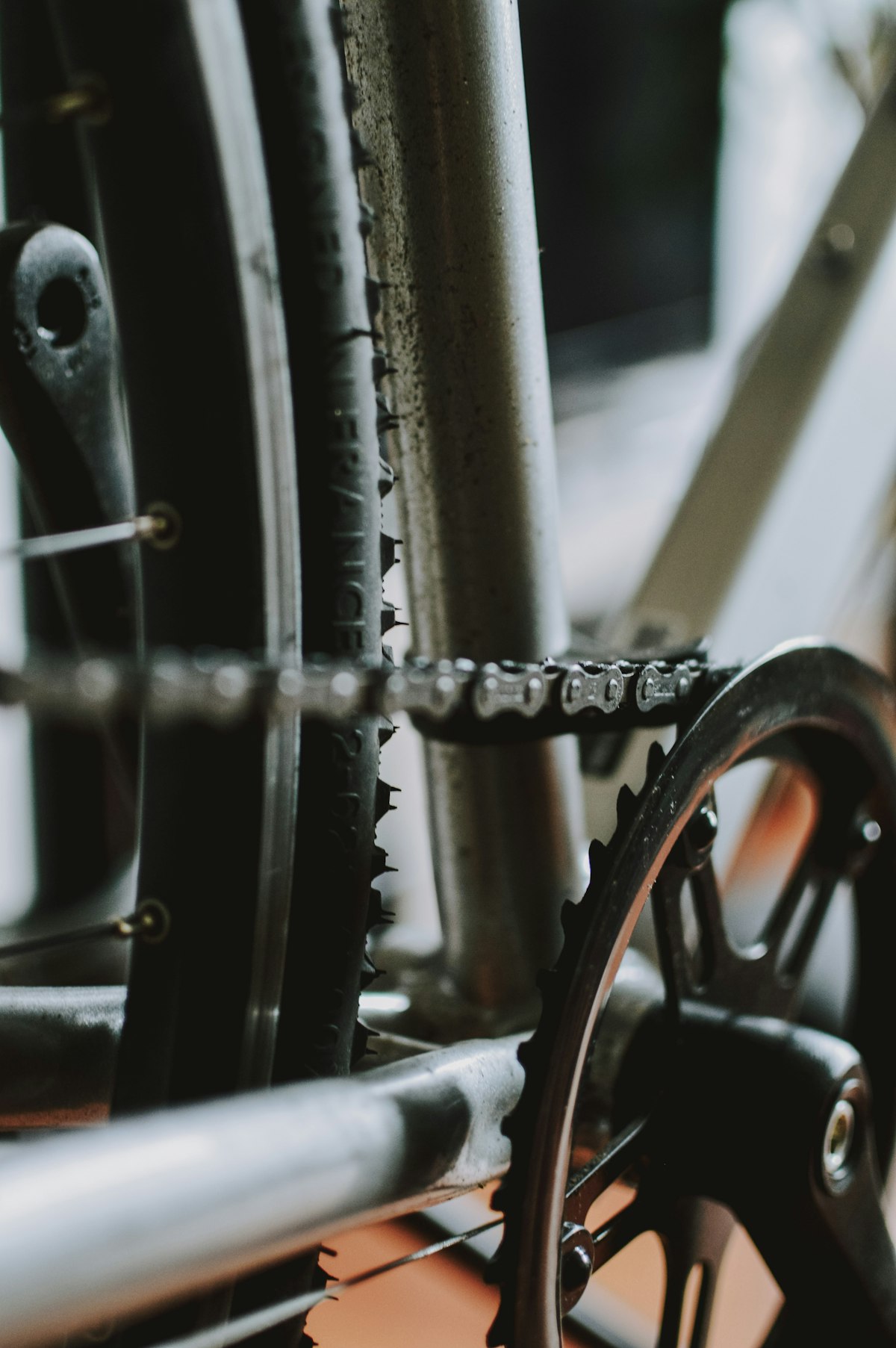
Wipe the chain occasionally and add lubricant if it squeaks.
What Comes Next
Once riding is comfortable, the world opens up. Bike paths, parks, neighborhood streets. Each ride builds fitness and confidence.
Consider joining group rides for beginners. Other cyclists provide tips and motivation.
Most importantly, ride often. Skills stick when practiced regularly.
Recommended Cycling Gear
Garmin Edge 1040 GPS Bike Computer – $549.00
Premium GPS cycling computer with advanced navigation and performance metrics.
Park Tool PCS-10.2 Bicycle Repair Stand – $259.95
Professional-grade home mechanic repair stand for all bike maintenance.
As an Amazon Associate, we earn from qualifying purchases.