What Makes Gravel Bikes Different
This article contains affiliate links. We may earn a commission at no extra cost to you.
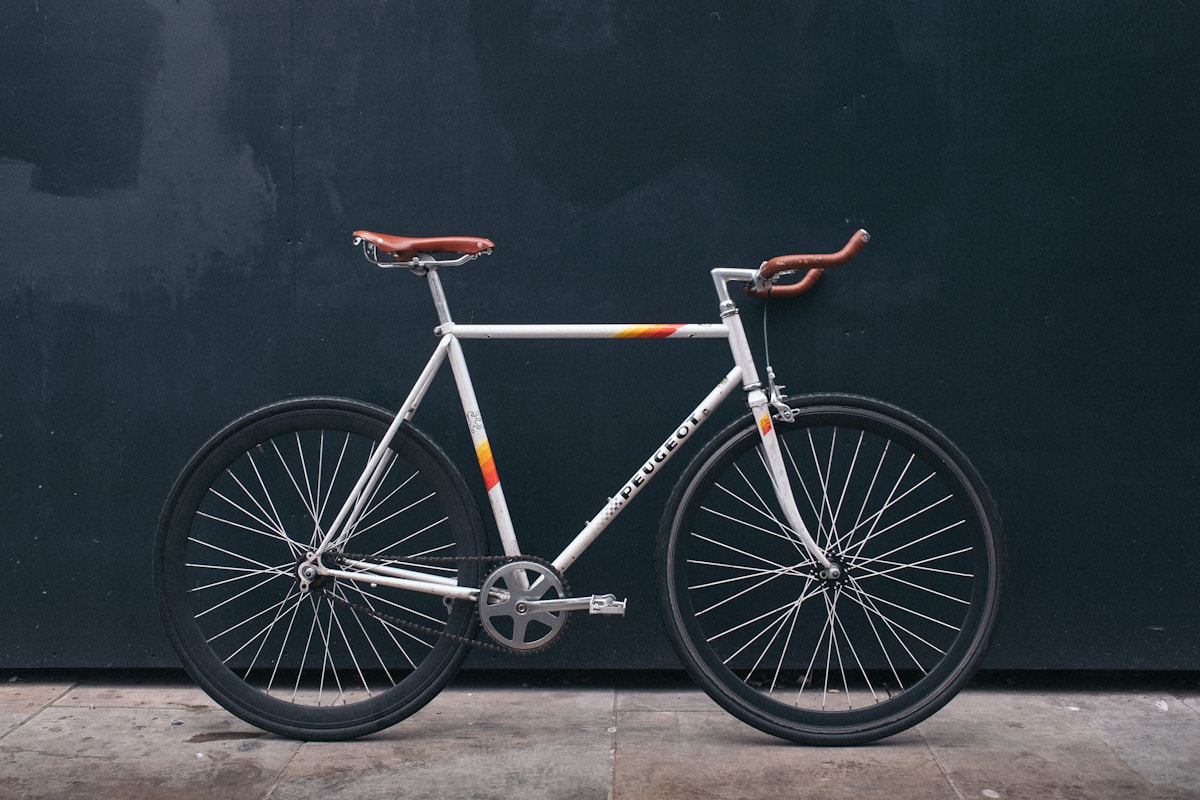
Gravel bikes blend road bike speed with off-road capability. They handle pavement, packed dirt, gravel roads, and light trails without requiring a full mountain bike setup. This versatility makes them ideal for riders who want one bike for multiple surfaces.
Frame Geometry Explained
Gravel frames feature slacker head tube angles than road bikes, improving stability on loose surfaces. Longer wheelbases add confidence at speed on rough terrain. Lower bottom brackets keep weight centered for better handling. The geometry prioritizes comfort and control over pure aerodynamics.
Tire Clearance
Modern gravel bikes accommodate 40-50mm tires, sometimes larger. Wide tires absorb vibration, grip loose surfaces, and reduce fatigue on long rides. You can run narrower road tires for paved routes or switch to knobby options for rougher terrain.
Essential Gravel Riding Gear
Maintain proper tire pressure with the Topeak JoeBlow Sport III Floor Pump which handles both Presta and Schrader valves. For longer gravel adventures, pack GU Energy Gels (24-Count Assorted) for sustained energy on remote routes.
Gearing Options
Most gravel bikes use 1x drivetrains with a single front chainring and wide-range rear cassette. This setup reduces complexity, eliminates front derailleur issues, and provides sufficient gear range for varied terrain. Some riders prefer 2x systems for extreme climbing or high-speed flats.
Brake Systems
Hydraulic disc brakes dominate gravel bikes for good reason. They provide consistent stopping power in wet, muddy, or dusty conditions. Disc brakes also handle wider tires better than rim brakes. Mechanical disc options work well for riders who want easier field repairs.
Mounting Points
Gravel frames include numerous mounting points for bags, bottles, racks, and fenders. These attachment options support bikepacking, commuting, and long-distance riding. Check for fork mounts, downtube bosses, and seat stay provisions when comparing models.
Who Should Consider a Gravel Bike
Gravel bikes suit riders who explore varied terrain, want versatility from a single bike, or find road cycling too limiting. They work well for mixed-surface commutes, light touring, and adventure riding. Competitive gravel racing has grown substantially, creating more high-performance options.