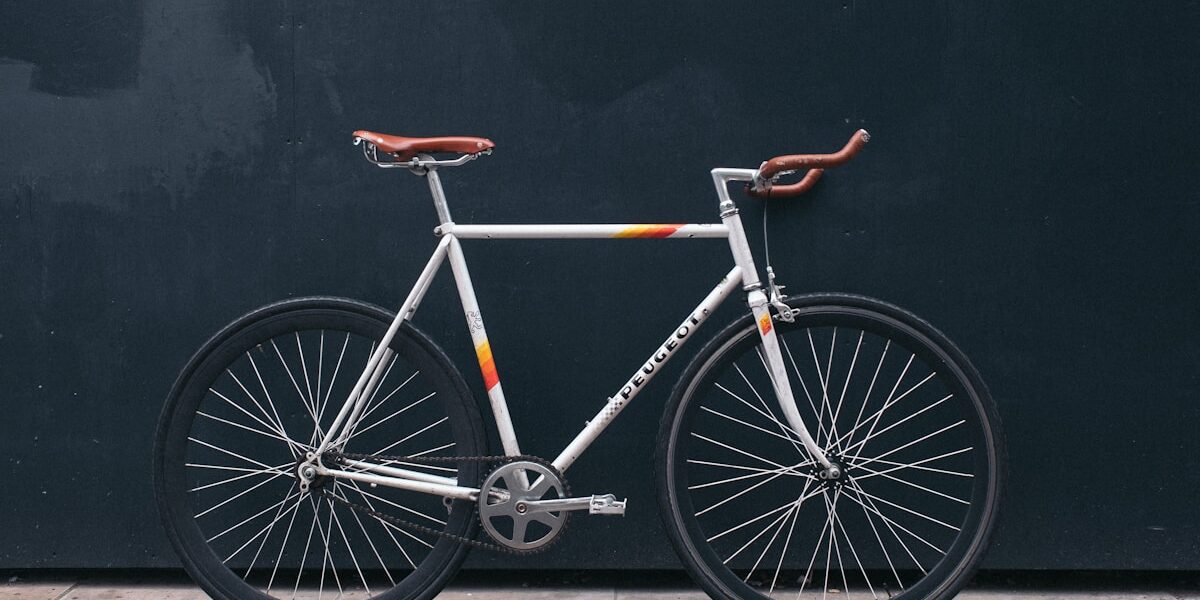
What Is a Hybrid Bike
Hybrid bikes have gotten complicated with all the sub-categories and marketing terms out there. As someone who’s owned, tested, and extensively ridden hybrids for years, I learned everything there is to know about what actually makes a bike “hybrid” and why you might want one. Today, I will share it all with you.
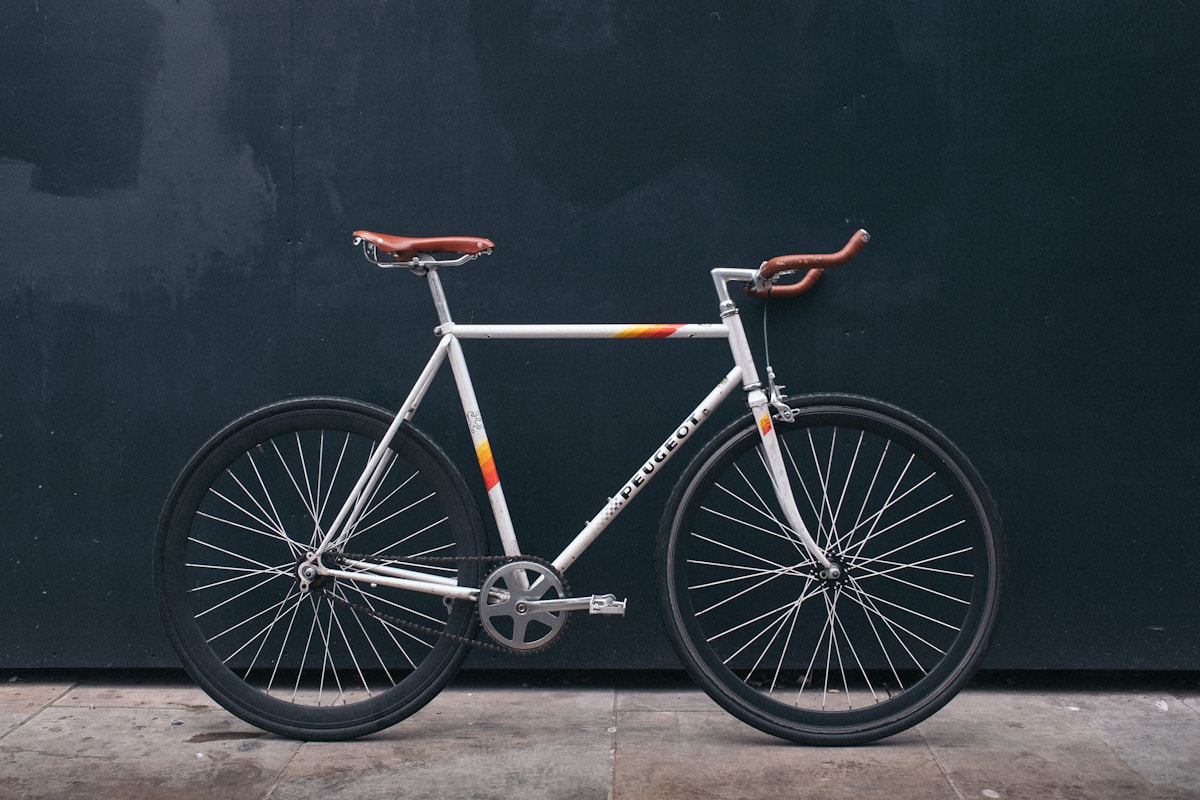
The simple answer? A hybrid bike blends characteristics from road bikes, mountain bikes, and touring bikes into one versatile package. Think of it as the Swiss Army knife of bicycles — not the absolute best at any one thing, but pretty darn good at lots of things.
Design and Frame
Most hybrid frames are aluminum because it hits the sweet spot of lightweight, durable, and affordable. Steel frames give you a smoother, more comfortable ride and they’re easier to repair if something goes wrong. Carbon fiber hybrids exist, but honestly? Unless you’re made of money, aluminum is fine.
The frame geometry is where hybrids really differ from other bikes. That more upright riding position isn’t just for comfort — it gives you better visibility in traffic and reduces strain on your back and neck during longer rides. I’ve done 50-mile rides on my hybrid without the screaming lower back pain I used to get on my road bike.
Handlebars
Flat or riser handlebars are standard on hybrids. Some people think they look less “serious” than drop bars, but who cares? They put you in a comfortable, upright position that’s perfect for commuting and casual rides.
Riser handlebars are slightly higher and give you even more control, especially over rough surfaces. That’s what makes hybrids endearing to us cyclists — practicality wins over aesthetics every time.
Wheels and Tires
Probably should have led with this section, honestly — the tires tell you a lot about what a hybrid is built for. Most hybrids use 700c wheels (same as road bikes) but with wider tires, typically 28mm to 42mm.
Those wider tires are the magic ingredient. They give you cushioning on rough roads, better grip on loose surfaces, and the ability to run lower pressures for comfort without pinch-flatting every other ride. I run 35mm tires on mine and they handle everything from smooth bike paths to gravel trails.
Gear Systems
Hybrids usually have a wide range of gears — more like mountain bikes than road bikes. This means you’ve got the gearing to tackle hills without destroying your knees, but also high enough gears for flat riding.
Some simpler urban models have fewer gears or even single-speed options. If you live somewhere flat and just want a bike for city riding, you don’t need 21 gears. But if there are hills in your life, you’ll appreciate having options.
Brakes
You’ll find either rim brakes or disc brakes on hybrids. Rim brakes are lighter and simpler to maintain. Disc brakes — especially hydraulic ones — give you way better stopping power in all conditions.
I’ve ridden in Pacific Northwest rain on both types. The disc brakes? Game changer. You actually stop when you pull the lever, even when it’s pouring. Rim brakes work fine in dry conditions, but get sketchy when wet.
Suspension
Some hybrids have a front suspension fork. It’s nice for absorbing bumps, but it adds weight and requires maintenance. Most urban-focused hybrids skip the suspension to keep things lighter and more efficient.
My take? If you’re mostly on paved paths and city streets, skip the suspension. If you’re hitting rougher trails regularly, it’s worth the extra weight.
Saddle and Comfort
Hybrid saddles are designed for comfort, not racing. They’re wider and more cushioned than road bike saddles. This matters more than you’d think for rides over an hour.
The best part? Most hybrids make it easy to adjust saddle position, so you can dial in your fit. Comfort is subjective — what works for me might not work for you — but hybrid saddles at least start from a comfortable baseline.
Accessories and Customization
This is where hybrids shine for practical cycling. Most have mounts for racks, fenders, water bottle cages, and lights. You can turn a basic hybrid into a serious commuter or light touring bike with a few accessories.
I’ve added fenders (essential for year-round riding), a rear rack with panniers, lights, and a kickstand to mine. None of these are “cool” in a roadie sense, but they make the bike infinitely more useful for actual transportation.
Uses and Versatility
The hybrid’s versatility is honestly why I own one. City streets? Check. Bike paths? Check. Light gravel trails? Check. Grocery runs? Check. It’s the bike I grab most often because it just… works for everything.
You’re not going to win races on a hybrid. You’re not going to bomb down technical mountain bike trails. But for commuting, fitness riding, errands, and casual adventures? It’s perfect. One bike that does it all means you’re more likely to actually ride it.
Choosing the Right Hybrid Bike
Think about where you’ll actually ride. Mostly paved paths and streets? Go for smoother, narrower tires (28-32mm). Want to explore unpaved trails? Look for wider tires (38-42mm) and maybe front suspension.
Test ride different models if you can. Bike fit matters more than fancy features. A comfortable bike you ride regularly beats an uncomfortable bike with better specs that stays in your garage.
Here’s my honest recommendation: for most people who want one bike for transportation, fitness, and fun, a hybrid is probably your best bet. They’re practical, comfortable, and versatile. Not sexy, but they get the job done. And isn’t that what actually matters?