Gravel Shoes: What You Need to Know
Gravel shoes have gotten complicated with all the crossover categories and conflicting advice out there. As someone who’s worn everything from full road shoes on gravel (mistake) to hiking boots (bigger mistake), I learned everything there is to know about what actually works for gravel riding. Today, I will share it all with you.
What Are Gravel Shoes?
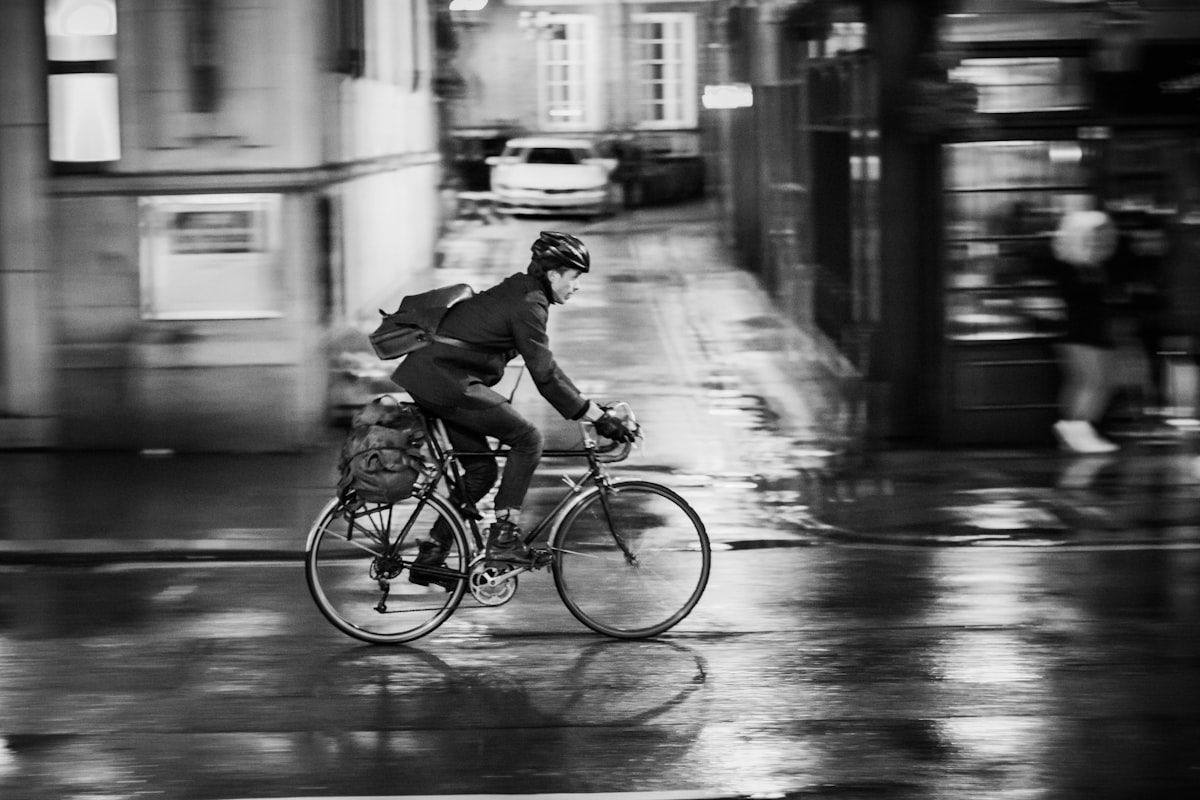
Gravel shoes sit in that sweet spot between road and mountain bike shoes. They need to work when you’re pedaling on tarmac, but also when you’re hiking your bike through a creek crossing or walking through a coffee shop. It’s a tough balance to strike.
That’s what makes gravel riding endearing to us cyclists — it demands versatility in everything, including footwear.
Key Features of Gravel Shoes
- Sole Stiffness: This is the crucial compromise. Too stiff and you’ll be slipping around when walking. Too flexible and you lose power transfer. Good gravel shoes find the middle ground.
- Tread Design: You need actual tread that bites into dirt, mud, and loose surfaces. Road shoes are slick as ice when you step off the bike onto anything but pavement.
- Cleat Compatibility: Most use 2-bolt mountain bike cleats (SPD-style). They’re recessed into the sole, so you can actually walk normally. Road cleats sticking out the bottom? Nightmare for gravel.
- Comfort and Fit: Gravel rides are long. Like, really long sometimes. Your shoes better be comfortable because you’ll be in them for hours.
- Durability: Gravel throws rocks, mud, water, and who knows what else at your shoes. They need to take a beating.
Brands and Models
Let me break down the shoes I’ve actually tested or that friends swear by:
Specialized Recon Series
The Recon series is Specialized’s answer to gravel shoes. Carbon and rubber outsole gives you stiffness where you want it, grip where you need it. Those BOA dials are convenient — twist to tighten, pull to loosen. No stopping to retie laces mid-ride.
They’re pricey, but they last. I’ve put serious miles on mine.
Shimano RX8
Shimano knows cycling shoes, and the RX8 shows it. Lightweight but tough. The carbon composite sole delivers power without being brutally stiff for walking. The fit is snug without pressure points.
Probably should have led with this section, honestly — if you want one pair that does everything well, this is it.
Giro Privateer Lace
For lace-up fans (I’m one of them), the Giro Privateer is solid. Classic look, microfibre upper that breathes well, and the outsole has enough tread for off-bike sections. Laces let you dial in the fit exactly how you want it.
They’re more casual-looking, which some people prefer. Less “serious cyclist,” more “I ride bikes for fun.”
Why Gravel Shoes Are Different
Road shoes are all about stiffness and aerodynamics. Mountain bike shoes prioritize protection and extreme off-bike traction. Gravel shoes need bits of both without going overboard on either.
You want efficiency on the pedals but functionality when you inevitably have to walk/hike/scramble over something. It’s a different design philosophy.
Materials Used
Carbon soles for stiffness, microfibre or synthetic uppers for durability and breathability, rubber treads for actual grip. These materials aren’t cheap, but they work.
Budget gravel shoes use all-plastic soles and basic synthetics. They’re fine for starting out, but you’ll feel the difference if you upgrade.
Sizing and Fit
Get the sizing right. Too tight and your feet go numb on long rides. Too loose and you get hot spots and blisters. Measure your feet, check brand sizing charts, and if possible, try before you buy.
I wear a half-size larger than my street shoes because my feet swell on long rides. Trial and error taught me that one.
Maintaining Gravel Shoes
Clean them. Seriously, just clean them after muddy rides. Mud left to dry gets into everything and wrecks the materials. Brush off the treads, wipe down the uppers, let them dry naturally (not next to a heater).
Check the cleats periodically. Worn cleats affect how you clip in and out. Replace them before they fail completely.
Cost Considerations
Budget gravel shoes start around $100. Mid-range hits $150-200. High-end can exceed $300. More money generally gets you better materials, lighter weight, and more refined features.
My take? If you’re just trying gravel, start mid-range. If you’re committed to it, invest in quality shoes. Your feet will thank you.
Conclusion
Gravel shoes aren’t just marketing hype — they’re genuinely useful for the specific demands of gravel riding. The right pair makes rides more comfortable and efficient. Whether you go with BOA dials, laces, or Velcro straps, get something with proper sole stiffness, real tread, and a comfortable fit. Your adventures will be better for it.