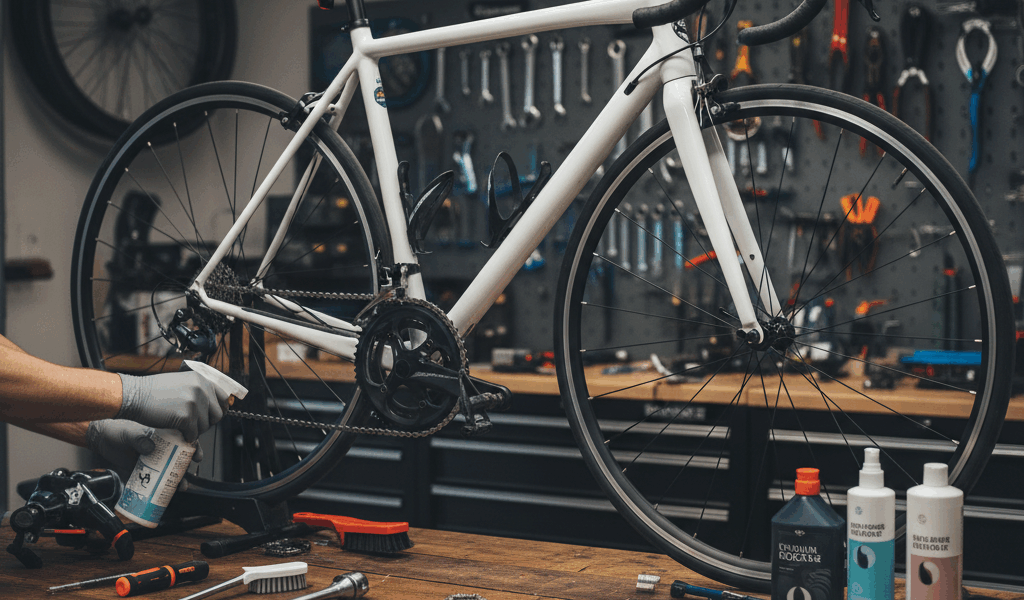
Bicycle Maintenance Part 1
What I Wish Someone Told Me Before My First Chain Snapped Mid-Ride
Bike maintenance has gotten complicated with all the YouTube tutorials and forum debates flying around. As someone who learned everything the hard way—including walking three miles home after ignoring a clicking sound for weeks—I learned everything there is to know about keeping bikes running smooth. Today, I will share it all with you.
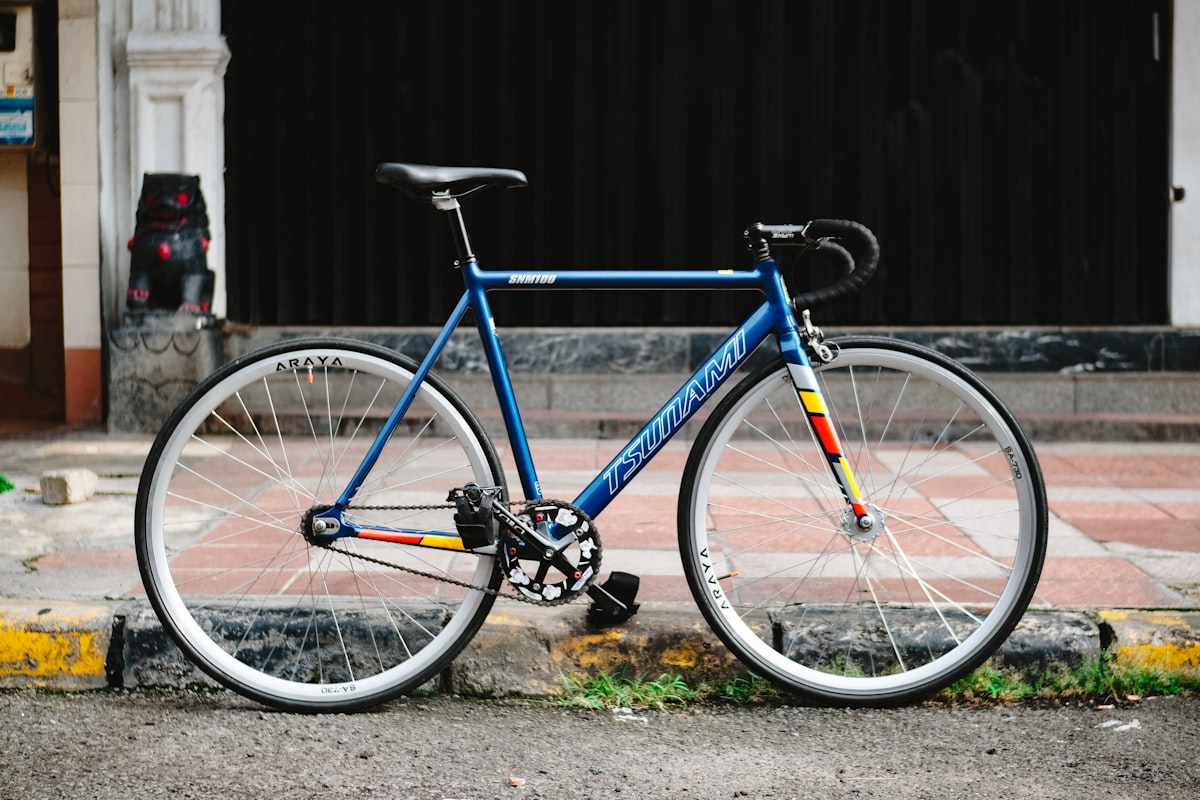
The Drivetrain: Where Most Problems Start
That’s what makes drivetrain care endearing to us gear-obsessed cyclists—it’s where your leg power becomes forward motion, and when it’s working right, the bike feels alive.
Chains Need More Love Than You’re Giving Them
Here’s the thing about chains: they’re quietly falling apart while you ride. Every pedal stroke stretches them a tiny bit more. I used to think “eh, it shifts fine” until a bike shop guy showed me my chain had stretched so far it was grinding down my cassette like sandpaper.
Clean your chain after muddy rides. Use wet lube if you ride in rain, dry lube for dust, wax if you’re fancy. The key? Wipe off the excess. A dripping chain just collects more gunk. I learned this after ruining a pair of khakis walking past my bike in the garage.
Get a chain checker tool—ten bucks saves you hundreds on cassette replacements. Replace the chain before it hits 0.75% stretch. Your future self will thank you.
Cassettes and Chainrings: Check Those Teeth
Worn cassette cogs develop what mechanics call “shark fin” teeth. They look angry, and they’ll make your chain skip under hard pedaling. If you’re standing to climb and the chain suddenly jumps? Yeah, that’s a worn cassette betraying you at the worst moment.
Probably should have led with this section, honestly. Chainrings do the same thing—those teeth start hooking the chain instead of releasing it cleanly. When front shifting gets rough, look at your big ring’s teeth. They’re probably cooked.
Brakes: The Part You Really Can’t Ignore
I’ll skip the lecture about brake importance. You know brakes matter. Let’s talk about what actually goes wrong.
Rim Brakes
Pad alignment seems simple until you’re chasing squeals around for an hour. The pad needs to hit the rim flat—not angled, not touching the tire, not hanging off the edge. Those little spacers and washers exist for a reason. Use them.
Cables stretch over time. That barrel adjuster on your lever? Twist it out to take up slack when your levers start pulling too far. If you’ve twisted it all the way out and still need more tension, time to reset the cable anchor at the brake.
Disc Brakes
Disc brakes are powerful but drama queens about contamination. Got fingerprints on your rotor? Squealing. Sprayed chain lube anywhere near your caliper? Squealing and probably ruined pads. Always clean rotors with isopropyl alcohol and never touch the braking surface.
Spongy lever feel means air bubbles got in your hydraulic lines. Bleeding brakes is doable at home but messy—if you’re not comfortable with it, this is a reasonable shop job.
Wheels: More Goes Wrong Here Than You’d Think
Tire Basics
Before every ride, give your tires a once-over. I’ve pulled glass shards, staples, and once a thumbtack out of my tires just by looking. That stuff works through the rubber slowly, so catching it early saves you from a roadside flat.
Tire pressure is personal. Heavier rider? More pressure. Rough roads? Less pressure for comfort and grip. The number on the sidewall is maximum, not a target. I run about 15% below max and my rides feel way better.
Wheel True
Wheels wobbling side-to-side? That’s truing work. You’re adjusting spoke tension to pull the rim straight. Small adjustments across multiple spokes work better than cranking one spoke hard. If a spoke breaks, get it fixed fast—the uneven load will start breaking neighbors.
Bearings: The Quiet Killers
Headset bearings let you steer. Bottom bracket bearings let you pedal. Hub bearings let wheels spin. When they go bad, things get crunchy or loose.
Headset Check
Apply your front brake and rock the bike forward and back. Feel a clunk? That’s headset play, and it accelerates bearing wear fast. Usually a simple bolt tightening fixes it.
Bottom Bracket Issues
Creaking when you pedal hard usually points here. Sometimes it’s just a loose crank bolt, sometimes the bearings are toast. External bearing BBs are easy to inspect—just pull the cranks. Press-fit ones need special tools and sometimes a shop trip.
The 30-Second Pre-Ride Check
ABC Quick Check: Air in tires, Brakes working, Chain lubed, Quick releases tight. Takes half a minute, prevents most mechanical disasters. I do this while drinking my coffee before a ride—it’s just habit now.
Final Thoughts
You don’t need to become a bike mechanic. But understanding what’s happening when you pedal, brake, and shift makes you better at spotting problems before they strand you. Start with chain cleaning and brake checks. Add skills as you go. Your bike will ride better, last longer, and you’ll feel less helpless when something makes a weird noise.
Part 2: Advanced Care
Going Deeper: Maintenance Skills That Separate Hobbyists from Obsessives
If you’ve mastered the basics and your bike is still making noises you can’t identify, welcome to the deeper end. This stuff matters when you’re logging serious miles or racing.
Drivetrain Deep Dive
Everything from Part 1 applies here, but let’s get specific about what goes wrong when you think you’re doing everything right.
Chain Maintenance Beyond Basics
That clean chain you lubed yesterday? It’s already collecting microscopic grit that acts like grinding paste. Serious riders strip chains completely and soak them in wax. It’s a whole rabbit hole—heated wax pots, ultrasonic cleaners, the works. Is it overkill? Maybe. Does it make shifting feel incredible? Absolutely.
Chain stretch isn’t actually stretching the plates—it’s wear in the pin and roller interfaces. That’s why a “stretched” chain measures longer; there’s accumulated slop at every link. The 0.75% replacement threshold exists because that’s when wear accelerates exponentially.
Cassette Science
Your most-used cogs wear fastest. For most riders, that’s the 15-19 tooth range where you spend the bulk of your riding. When you replace a cassette, the new cogs will mesh differently with a worn chain. That’s why shops recommend chain and cassette together—mismatched wear causes skipping.
Brake System Advanced
Rim Brake Refinements
Toe-in—angling pads so the front touches first—eliminates most squealing. It’s fussy work but worth it for silent, powerful braking. Quality pads from Kool Stop or SwissStop make a real difference over whatever came on your bike.
Cable housing matters more than cables. Old, gunked-up housing creates friction that makes lever feel terrible. If your cables feel sticky despite new cables, replace the housing too.
Disc Brake Deep Knowledge
Bedding in new pads and rotors is crucial and often skipped. Twenty hard stops from moderate speed, letting brakes cool between each. This transfers pad material to the rotor and creates consistent stopping power. Skip bedding and you get inconsistent, grabby brakes.
Caliper alignment is everything. Loosen bolts, squeeze lever to center caliper on rotor, hold lever, tighten bolts. Still rubbing? The rotor might be bent—straightening tools exist, or careful adjustment with a clean rag works.
Wheel Work
Tire Deep Cuts
Tubeless setup transforms puncture anxiety into mild inconvenience. But the sealant needs refreshing every few months, and you need to carry a tube anyway for sidewall cuts. It’s not maintenance-free, just different maintenance.
Tire pressure changes with temperature. That perfect 80psi at home becomes 85psi after an hour of sun. Mountain bikers obsess over this; road riders should pay more attention than they do.
Serious Truing
A truing stand and spoke wrench let you maintain wheels at home. Learning to true properly takes practice—there’s lateral wobble, radial (hop), and dish (centering) to balance. Bad truing makes wheels worse, so start with minor corrections and build skill gradually.
Bearing Service
Sealed cartridge bearings are “serviceable” in theory—you can pry seals, regrease, reseal. In practice, replacement bearings are cheap enough that most people just swap them. Standard bearing sizes mean you can often find replacements at industrial suppliers for less than bike-specific prices.
Hub Overhaul
Cup-and-cone hubs need periodic repacking. Remove cones, clean old grease, inspect balls and races for pitting, pack fresh grease, reassemble with proper preload. It’s satisfying work when you nail the adjustment and the wheel spins forever.
Integration Check
Everything affects everything else. Loose headset makes handling weird, which makes you grip harder, which fatigues hands faster. Worn chain destroys cassettes. Contaminated brakes reduce confidence, changing how you ride. Maintenance is interconnected—fix one thing and others improve too.
The thirty-second pre-ride check still applies at this level. You’re just noticing subtler things—slight bearing drag, minute brake rub, chain sound changes. Attention is the real skill.
Conclusion
Deep maintenance knowledge makes you faster, safer, and more confident. You’ll catch problems earlier, fix them cheaper, and understand what shops are telling you. Plus there’s genuine satisfaction in a well-maintained machine. Start with the basics, add skills over time, and enjoy rides free from mechanical worry.